- Start with a low-risk format (steps, distance, climb) before any physical race, and get written permission from your college first.
- For a group trek, plan the route, leaders, first aid and a turn-back rule before you plan the fun.
- Students under 18 need a parent's consent, and you should collect as little personal data as you can.
The safest way to start an inter-college competition is a multi-week fitness challenge that students do on their own time, with a board that compares colleges. Group treks and live events can come later, once permissions, leaders and a safety plan are in place.
Formats that work for colleges
| Format | How it works | Risk level |
|---|---|---|
| Step or distance league | Colleges compete on average steps or kilometres per student over 2 to 4 weeks. | Low |
| Climb challenge | Stairs and hills add up to a target, such as the altitude of a trek. | Low |
| Active-minutes league | Any activity counts: sport, dance, yoga, gym, walking. | Low |
| Relay day | Teams complete a set distance on a campus track in turns. | Medium |
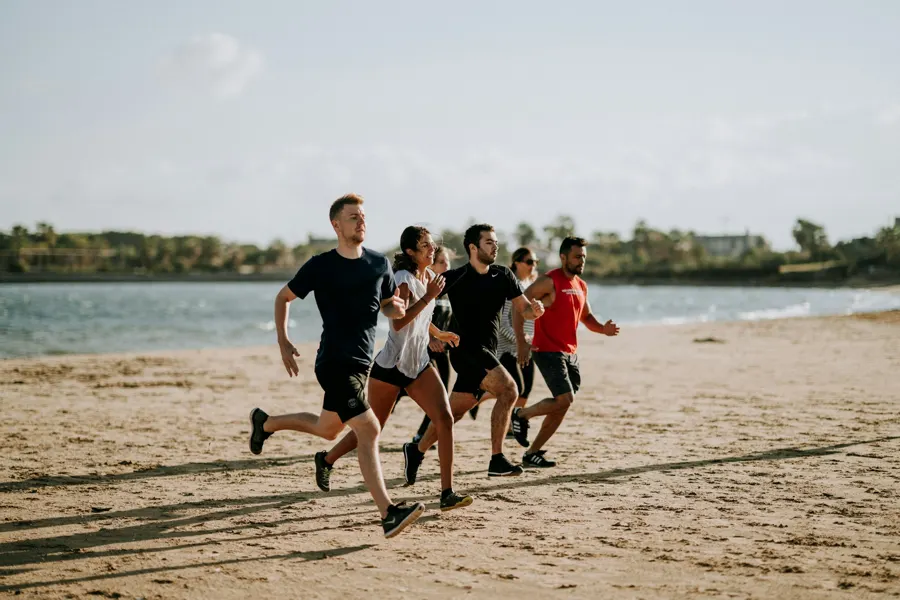
| Fun run or walk | One morning event on a closed campus loop. | Medium |
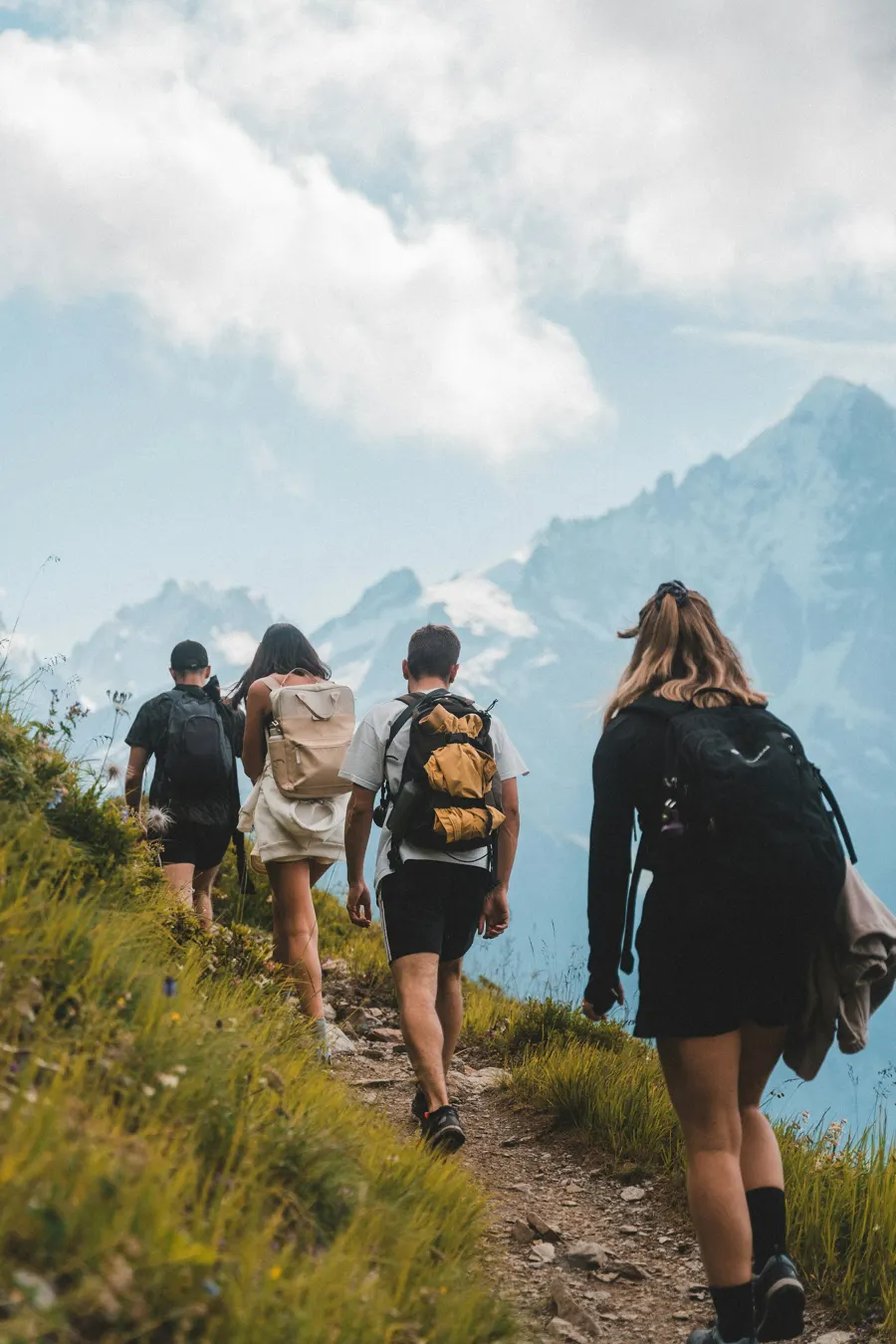
| Group trek day | A club trek to a nearby, easy trail. | Higher |
The first three suit colleges in different cities, because students take part wherever they are. The rest need shared logistics.

Compare colleges fairly
- Rank by average per participating student, not total, so a large college does not win by size alone.
- Add a participation-rate board: the share of students who joined. This rewards getting more people moving.
- Keep individual numbers private and publish college boards only.
- Set one counting rule for everyone and write it down. Disputes spoil competitions faster than losses do.
Treqz Crew is coming soon and is planned to offer college crews, inter-college boards, a group trek planner and fest challenges. See the Crew page for what is planned; until it is available, a shared sheet can run any of these formats.
Permissions and paperwork
- Written approval from your college authority for any event, using whatever procedure your institution requires.
- For a joint event, approval from every college involved, and a named staff member from each.
- For a trek, check what permits the trail needs. Our trek permits guide explains how this works.
- Parental consent for students under 18, for both the trip and any data collected.
- Venue and local authority permission for anything on public roads. Ask your local police or municipal office what applies in your city; do not assume.

Data and privacy for students
India's Digital Personal Data Protection Act, 2023 treats anyone under 18 as a child. Law-firm commentary says it requires a parent's or guardian's verifiable consent before processing a child's data, and restricts tracking and behavioural monitoring of children, though rules provide some exemptions. In practice, for a college challenge:
- Collect only participation (steps, minutes or days), never weight, health details or live location.
- Tell students what you collect and why, in plain language.
- Get parental consent for students under 18 and let anyone withdraw.
- Check your plan with your college's administration or legal contact.
Organising a group trek safely
A club trek is the high point of many college years, and the part that needs most care. The basics:
- Choose an easy trek. Start with the easy treks guide; a short, popular trail is better than an ambitious one.
- Use an experienced leader or registered operator, and ask what first-aid kit, communication and rescue plan they carry.
- Match the group's fitness. Plan for the slowest person, not the fastest.
- Set a turn-back time and a head-count rule before the walk starts.
- Know the altitude. A widely used guideline summarised in clinical sources is not to raise your sleeping altitude by more than about 500 m a night above roughly 2,500 m. See our guides on altitude sickness and organising a group trek.
- Plan for heat on lower trails. Heat exhaustion can bring headache, dizziness, nausea and heavy sweating; the NHS advises moving to a cool place, drinking fluids and cooling the skin, and treats heatstroke (confusion, no sweating, very high temperature) as an emergency.
Fest challenge ideas
- Fest step week: every department's average steps on a board outside the canteen.
- Stairs vs lifts: a floor-climbing challenge for hostels.
- Sunrise walk: a group walk on campus with a short talk on a nearby trek.
- Mountain in a month: colleges pool climbing until it matches a real trek's height.
- Photo trail: a campus or city walking route with photo checkpoints.
- Alumni vs students: a friendly step match, with averages so numbers stay fair.
A simple timeline
- 6 weeks out: approvals, format, rules.
- 4 weeks out: sign-ups, consent forms, board set-up.
- Challenge weeks: weekly updates, one cheerful post per college.
- After: results, thanks, feedback, and a plan for the next one.
Running the day itself
- Name one safety lead per college, and give every lead the same short brief: route, timing, first-aid point and emergency contacts.
- Brief participants at the start, in two minutes: the route, the turn-back time and where the water is.
- Check in at the end. Count everyone back, and ask about injuries or illness the next day.
- Share results the same day, with a photo of every team. Ask for consent before posting images of students.
Keep the competition friendly. A small trophy that moves between colleges each year gives people a reason to come back.
General information, not medical or legal advice. Follow your institution's rules for events and trips, and speak to a doctor if a student has a health condition.
Sources
- Law.asia: Children's data protection under the DPDP Act
- CyberPeace: Prohibition of behavioural tracking and targeted advertising for children under the DPDP Act
- American Family Physician: Acute altitude illness, updated Wilderness Medical Society guidelines
- NHS: Heat exhaustion and heatstroke
Quick questions
Do we need permission to hold an inter-college competition?
Almost always. Get written approval from your college authority, and from the host college for a joint event, and follow each institution's own rules for off-campus trips.
What is the safest inter-college fitness format?
A multi-week step, distance or climb challenge. It needs no shared venue, no road closure and no timed race, so the risk is much lower than a live event.
Can students under 18 take part?
Possibly, but under India's Digital Personal Data Protection Act 2023 the data of anyone under 18 needs a parent's or guardian's verifiable consent. Also get parental permission for any trip. Ask your college office for its policy.
How do we plan a group trek for a college club?
Pick an easy, well-known trek, use a registered operator or an experienced leader, and read our group trek guide.