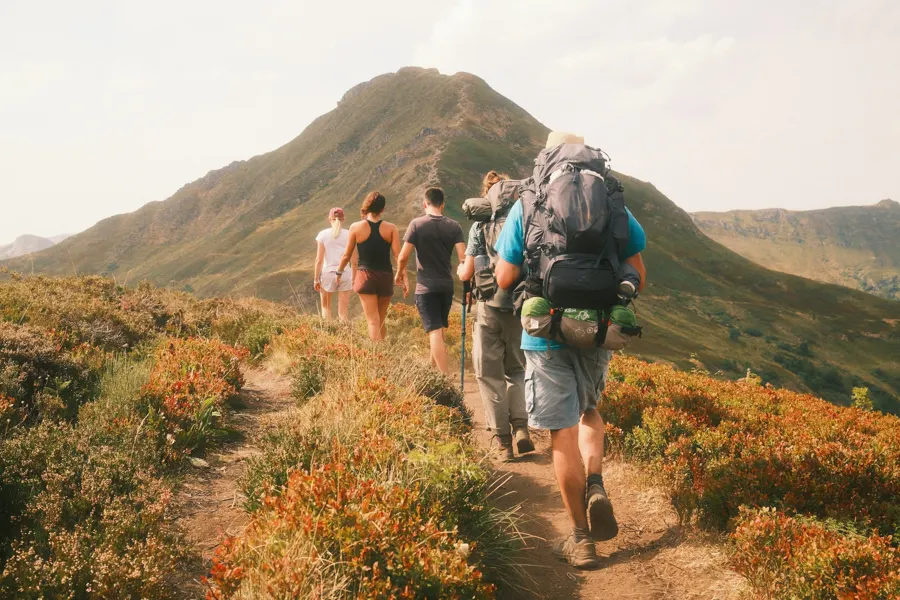
- No single national rule bans solo trekking, but many parks and districts require a guide, registration or police permission, and the rules change.
- The main risks are getting lost, weather, injury and no signal. Tell someone your route and return time, and carry an offline map.
- If you are new, start with a short, popular trail or join a small guided group before going alone.
Solo trekking is not banned across India, but many trails come with conditions: a guide, a registration, or police permission, depending on the park, district or state. Treat the rules as part of your plan, and treat the risks, especially no signal and no help, as the reason to plan more carefully than you would in a group.
What do the rules say?
There is no single national solo rule, so check the area. Examples we could confirm:
- Govind National Park (Kedarkantha, Har Ki Dun, Rupin Pass): the park's page asks you to take the permit at the Natwad or Sankri check post, submit ID, and hire a guide from a registered agency before you enter. It also says not to enter at night or leave the track.
- Singalila National Park (Sandakphu): Wikivoyage says a guide is compulsory for trekkers, even though the trails are well marked.
- Kangra, Himachal: in January 2026, the district disaster management authority banned trekking above 3,000 m and required prior permission from the Superintendent of Police for the Kareri, Triund and Adi Himani Chamunda routes, as PTI reported. Tribune reported orders for registration of every trekker and for guides to lead no more than 10 trekkers.
- Lahaul and Spiti: the district site asks foreigners to trek in groups of at least five, tell the nearest police station their route and hire registered porters and guides. The page dates from 2018, so check.
- Uttarakhand: ETV Bharat reported in January 2026 that draft rules would require trekking agencies to register, but they were awaiting approval. We found no notice banning solo trekking there.
Our permits guide covers more routes. Some permit systems, such as Kerala's online booking for Agasthyarkoodam, work the same for solo trekkers. Always ask the forest office or district office; rules are often only posted locally.
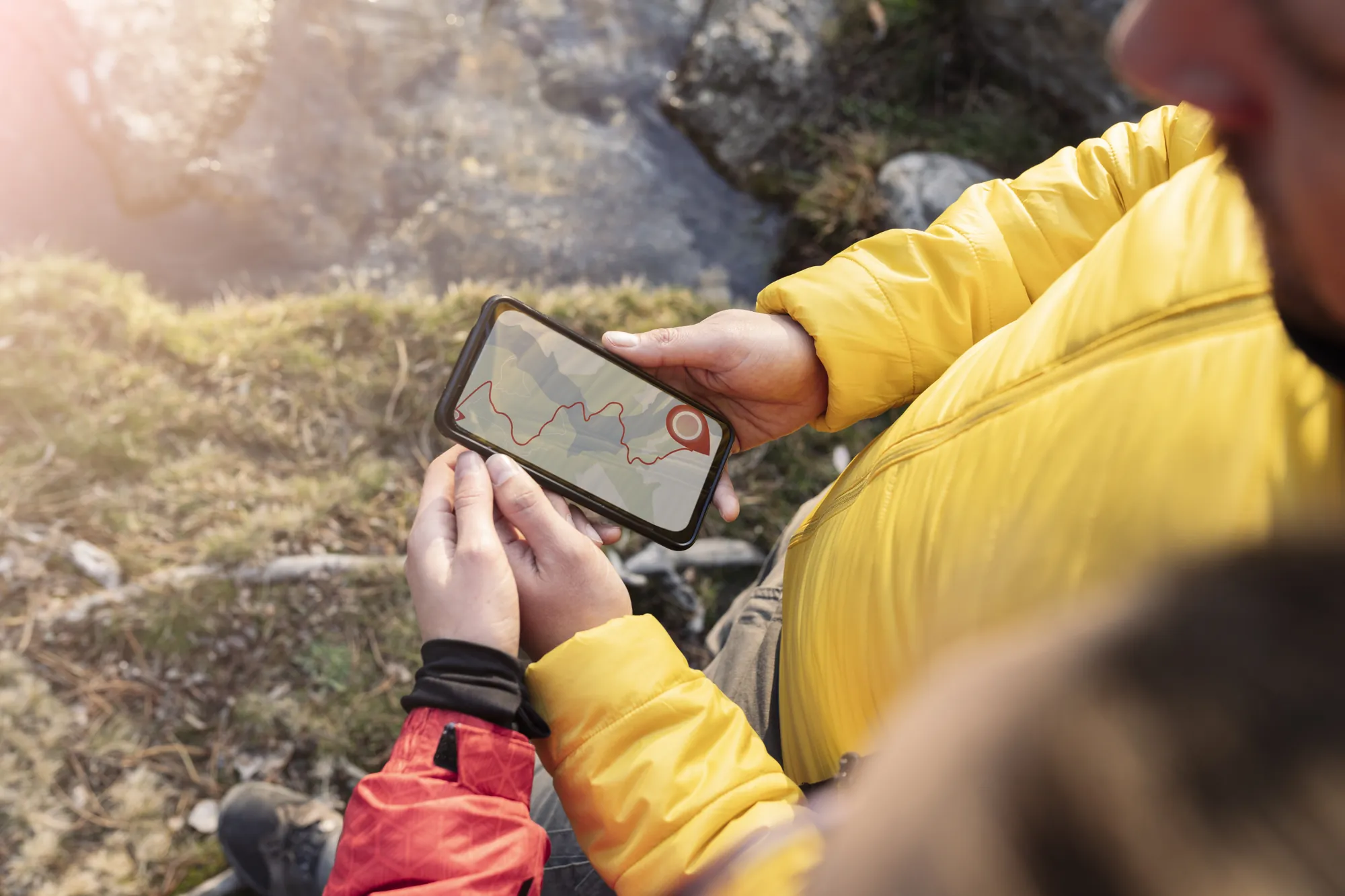
What are the main risks?
- Getting lost. Trails fork and snow hides paths. Tribune's headline figures for the Parbati valley in Kullu are sobering: at least 116 people have gone missing since 2011, and 22 were never found, of whom 19 were foreigners. Tribune also describes an Israeli trekker rescued after nine days missing on the Triund trail, one of the incidents behind Kangra's tighter rules.
- Weather and cold. Alone, you cannot swap tents or shelter. See our winter and monsoon guides for the conditions.
- Injury and altitude sickness. Nobody notices symptoms but you. The NHS says to tell companions if you do not feel well; on your own, that means telling someone before you start and being ready to turn back. See our altitude sickness guide.
- No signal. Our trek pages note that only BSNL works after Purola for Kedarkantha, and only now and then on the Brahmatal trail. There is often no charging either, so carry a power bank.
- Rescue costs. The operator pages we read say rescue is not part of the trek fee, so buy insurance that covers evacuation.
Which routes are lower stakes?
For a first solo walk, pick a short, well-used trail that you can finish in daylight and exit easily. In our atlas, easy-graded options include Rajmachi in the Western Ghats (826 m, 2 days; our page notes no permit is needed and the village committee collects a few rupees) and the treks in our easy treks guide. Avoid high passes, snow routes and remote treks alone, and avoid monsoon trails with rivers and landslide risk. If you want to try a Himalayan trek, going with a small guided group is safer than a solo attempt, and where a guide is required it is the simplest way to comply.
If you would rather go with friends than strangers, see our post on how to organise a group trek. Decide your turn-back rules before you leave: a fixed time, weather signs, or any symptom that gets worse. The NHS advises that if altitude symptoms worsen or do not improve after a day, you should descend about 300 to 1,000 m, and that rule is easiest to follow when you set it in advance.
What are good check-in habits?
The National Park Service's guidance is to share where you are going and when you expect to return, so someone can raise the alarm if you are late. In practice:
- Send a route plan, camp or village names, and a return time to two people, plus the number of your operator or lodge.
- Agree a check-in time (for example, by 8 p.m. each day you have signal) and what the contact does if you miss it.
- Message when you start and finish, even if you have signal only at the trailhead.
- Tell the forest check post or homestay where you are heading, and sign the register where there is one.
- Carry ID, a copy of your insurance, emergency contacts and any medical information.
How do you navigate without signal?
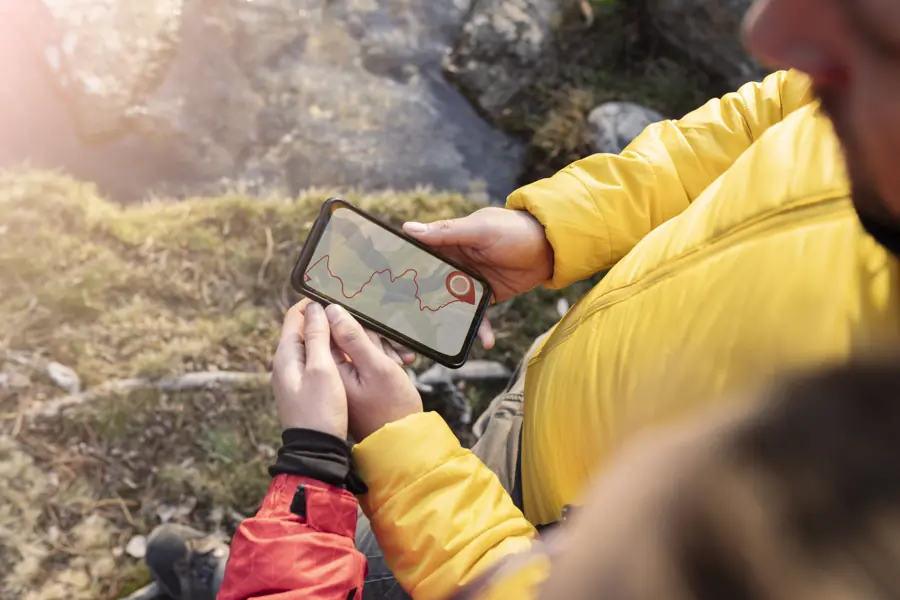
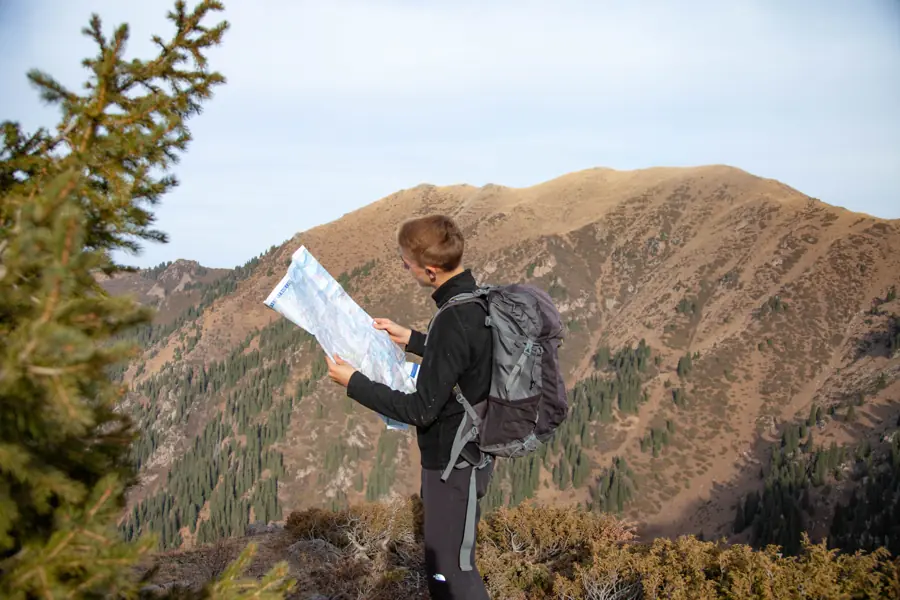
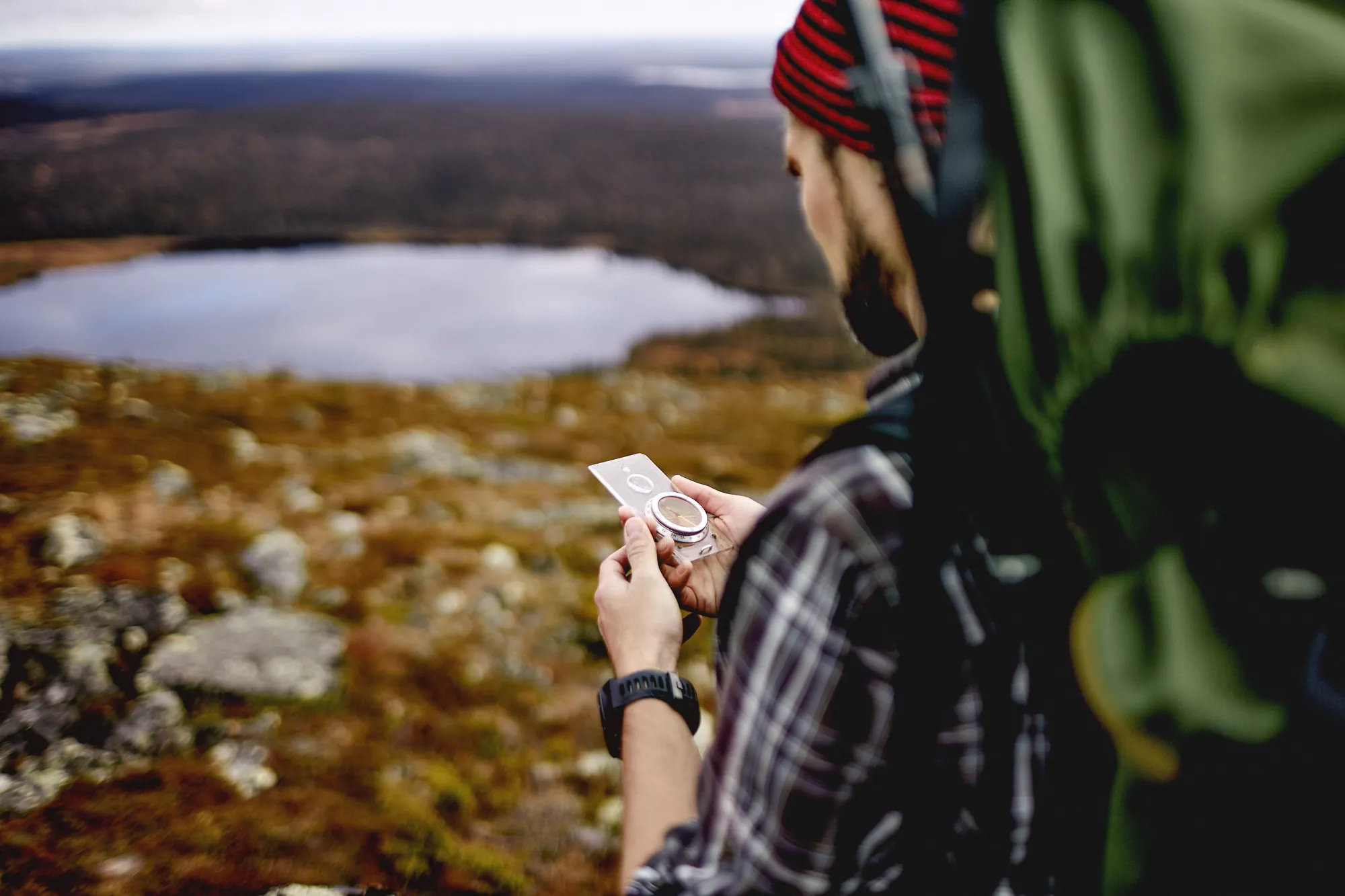
Download the route and base map before you leave, and keep the app in airplane mode to save battery. Our guide to offline maps for treks in India shows how, and the NPS Ten Essentials lists navigation first: know how to use a map, compass or GPS, and carry a paper map as a backup. Also carry a headlamp, spare layers, food, water and a first-aid kit.
Travelling alone as a woman
See our separate guide on trekking in India as a woman for advice on operators, stays and helplines.
General safety information, not a guarantee. Rules change; confirm with local authorities. Treqz does not run treks.
Sources
- Govind Wildlife Sanctuary and National Park: Kedarkantha trek page
- Wikivoyage: Sandakphu
- The Week (PTI): Kangra bans trekking above 3,000 metres
- Tribune: Adventure meets accountability
- Tribune: Why trekkers go missing in Kullu's Parbati valley
- Lahaul and Spiti district: Foreigner section
- ETV Bharat: Uttarakhand to regulate trekking and mountaineering
- US National Park Service: The Ten Essentials
- NHS: Altitude sickness
Quick questions
Is solo trekking allowed in India?
Often yes, but it depends on the trek. Govind National Park (Kedarkantha, Har Ki Dun) asks you to hire a guide from a registered agency, Singalila National Park makes a guide compulsory, and Kangra district required police permission for Triund in 2026.
Is it safe to trek alone in the Himalaya?
It carries more risk than trekking in a group, because injury, bad weather or a wrong turn leaves you without help. Tribune reports at least 116 people have gone missing in the Parbati valley since 2011.
What should I tell people before a solo trek?
The US National Park Service advises sharing where you are going and when you expect to return, so someone knows to raise the alarm if you are late. Leave a route, camp names and a return time.
Will my phone work on a solo trek?
Often not. Our trek pages note little or no signal on Kedarkantha and Brahmatal, where only BSNL works occasionally. Download maps for offline use before you leave.