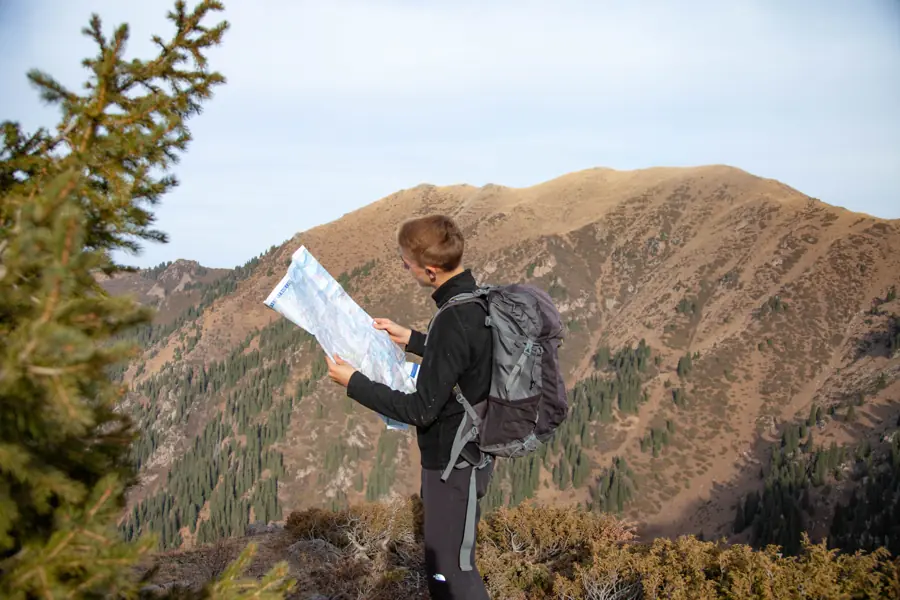
- For Himalayan treks pick sturdy, waterproof shoes with ankle support and deep grip, fitted with your trekking socks and broken in on real walks.
- Set poles so your elbow bends about 90 degrees on flat ground, shorten them uphill and lengthen them downhill. They help most on descents.
- Renting is sensible for occasional trekkers: Himalayan Dream Treks lists high-ankle shoes at Rs 200 to 400 a day and poles at Rs 50 to 100.
For most Indian treks, pick waterproof, ankle-supporting shoes with deep grip that fit properly with your trekking socks, and use poles set to a 90-degree elbow bend. Fit matters more than features, so try them on, break them in, and rent if you trek only occasionally.
Shoes or boots?
REI describes hiking boots as heavier and burlier, with stiff uppers that extend above the ankle. Hiking shoes are lighter and lower cut. Boots are usually waterproof but run hot; shoes may or may not be waterproof and dry faster. The right choice depends on the distance, the terrain and the load you carry, and longer trips call for more support.
The trek pages and operators we use are consistent for Himalayan routes. The Kedarkantha packing list asks for waterproof high-ankle trek shoes with good grip; the Brahmatal list asks for waterproof shoes with ankle support and good grip. Bikat Adventures' guide says low-cut shoes suit light day hikes with light packs, mid-cut trekking shoes suit multi-day trips on rough ground, and high-cut boots suit heavy loads and snow. For snow trips, make sure the shoe accepts microspikes.
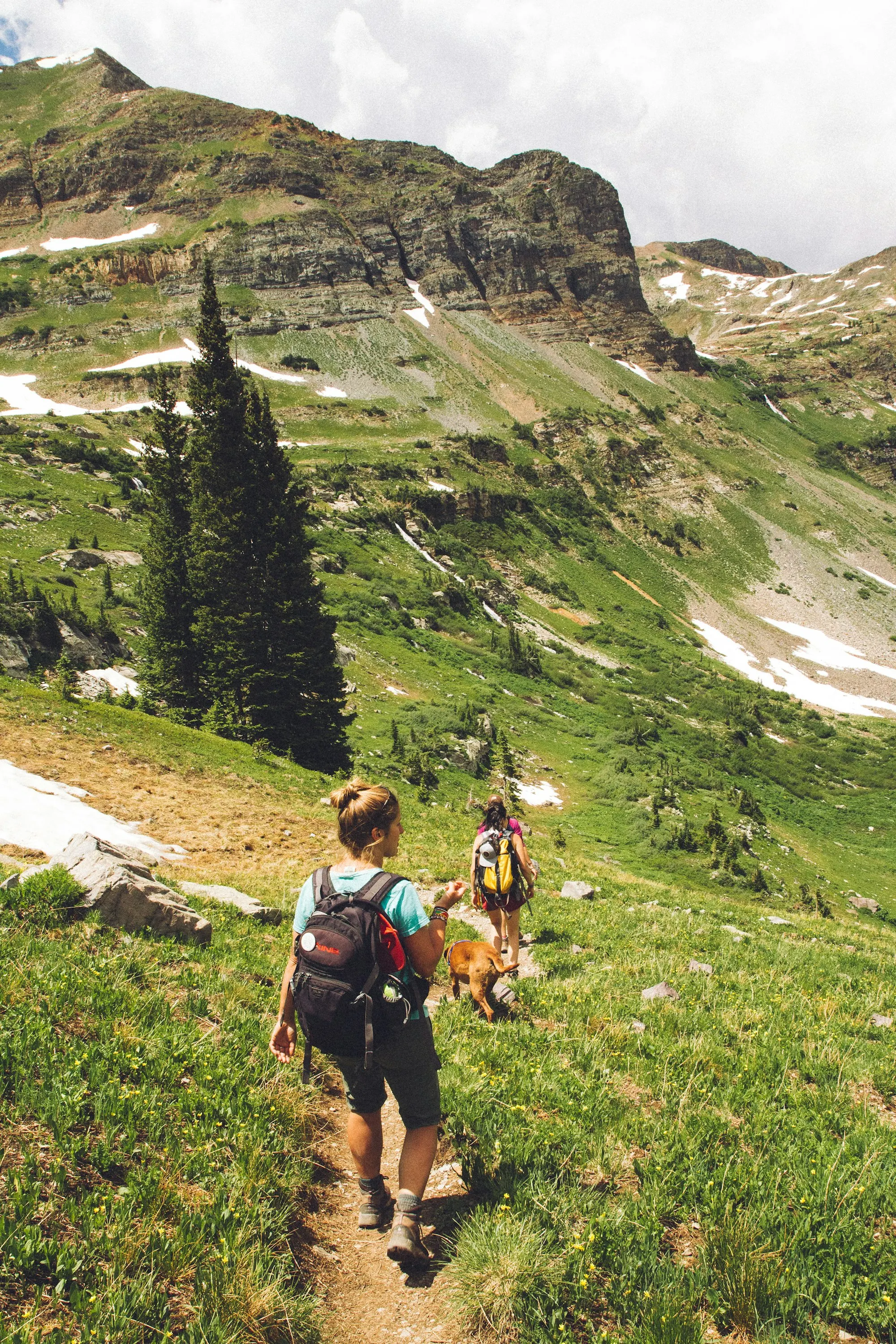
How should they fit?
- Toe room: leave about a finger's width (roughly a centimetre) in front of your longest toe, according to retailer Ellis Brigham's fit guide. Your toes should not press the front when you walk downhill.
- Heel: it should stay put, not lift or slide. Walk up and down stairs or a slope to check.
- Width and volume: if your foot presses the sides, the shoe is too narrow; if the front feels empty, there is too much space.
- Socks: try them on with the socks you will trek in. Bikat adds that you should shop later in the day when your feet are slightly swollen.
- Break-in: wear them on shorter walks before the trek. Stiffness in new boots is normal, said Ellis Brigham, but pain is not.
Waterproof models often feel snugger because of the lining, so allow extra room. Trekkaro's Valley of Flowers list says wet feet are the main cause of blisters and asks for waterproof shoes that you have broken in. Our fitness plan uses your weekend walks to do exactly this.
What about grip and waterproofing?
Bikat says to look at the outsole lugs: deeper, thicker lugs give more traction on dirt, rock and mud, and a raised heel zone helps on steep descents. A firmer midsole protects your feet on long rocky routes. On waterproofing, a water-resistant coating keeps water out at stream crossings, while a breathable upper lets moisture escape so feet do not get sweaty. For monsoon and snow trips, pair shoes with gaiters, which keep mud, stones and snow out; our monsoon guide and winter guide explain when you need them.
Should you rent or buy?
Himalayan Dream Treks lists these rentals in Dehradun:
| Item | 1 day | 2 days (per day) | 3+ days (per day) |
|---|---|---|---|
| Trekking shoes, high ankle | ₹400 | ₹350 | ₹200 |
| Trekking shoes, mid ankle | ₹250 | ₹200 | ₹150 |
| Trekking pole | ₹100 | ₹100 | ₹50 |
| Gaiters (per day) | ₹50 | - | - |
At the 3+ day rate, five days of high-ankle shoes is ₹1,000 and a pole is ₹250, by our arithmetic. Bikat's guide suggests renting technical gear that you use rarely, while everyday trekking shoes are usually worth buying so you can break them in and get a reliable fit. Several operators, such as Bikat for Kedarkantha, hand rented shoes and poles to trekkers in the base village. Rented shoes may not fit well, so try them on and ask the shop if you can walk in them before you commit. See the packing list for the rest of your gear.
Do trekking poles help?
Many trek pages say so. The Kedarkantha page says poles save your knees going down, and the Brahmatal page says they help most on descents. A Western Illinois University study of 15 experienced male hikers, described by the eOrthopod site, found that poles reduced the load on the hip, knee and ankle joints when walking downhill at a 20-degree gradient, with a light or a heavy pack and with none. The researchers suggested they might also reduce overuse injuries and encourage a more upright posture. It was a small study, so treat it as supportive rather than conclusive.
How do you set and use poles?
- Length: set the poles so your elbow forms a 90-degree angle when you hold the grip with the tip on the ground, says Outdoor Life. REI's guidance is the same, with poles shortened by about 5 to 10 cm for long climbs and lengthened by the same for long descents.
- Straps: slip your hand up through the bottom of the strap loop and grip the handle over the strap, which supports the wrist. Outdoor Life warns that putting your hand through the top of the loop can injure your wrist in a fall. Keep a relaxed grip.
- Rhythm: on flat ground, swing the poles in step with your legs. Going uphill, plant and push; going downhill, plant ahead of you and let the poles take some of the weight.
- Tips and baskets: take rubber tips off for better grip on dirt, rock or snow, and use baskets on soft ground or snow.
- Practise before the trek. A few weekends of walking with poles will make the technique automatic.
General gear information, not a recommendation of any brand. Prices and rental terms change; check with the shop. Treqz does not sell gear.
Sources
- REI: How to choose hiking boots and shoes
- Ellis Brigham: How should your walking boots fit?
- Bikat Adventures: How to choose trekking shoes
- Himalayan Dream Treks: gear rental in Dehradun
- Trekkaro: Valley of Flowers things to carry
- eOrthopod: Hiking poles reduce the load on joints
- Outdoor Life: How to use trekking poles
- REI: How to choose trekking poles and hiking staffs
Quick questions
Do I need boots or shoes for a Himalayan trek?
Trek pages we use ask for waterproof shoes with ankle support and good grip. REI says boots give more protection and support but run hot, while lower-cut shoes are lighter and dry faster. Choose by terrain, trip length and the weight you carry.
How should trekking shoes fit?
Leave about a finger's width in front of your toes, keep the heel from lifting, and try them on with your trek socks, later in the day when feet have swollen a little. Break them in before the trek.
Are trekking poles worth using?
A Western Illinois University study of 15 experienced hikers found poles reduced load on the hip, knee and ankle joints when walking downhill, with or without a pack. Many trek pages note poles help most on descents.
Can I rent shoes and poles?
Yes. Himalayan Dream Treks lists high-ankle shoes at Rs 400 for one day or Rs 200 a day for 3 or more days, and poles at Rs 100 or Rs 50. Ask what your operator already provides.