- The valley is a national park and UNESCO site, open 1 June to 31 October in 2026, with peak bloom from mid-July to mid-August.
- Entry is ₹200 for Indians (₹800 foreigners), valid three days, with a cap of 300 visitors a day; no camping inside the valley.
- The base is Ghangaria; the valley and Hemkund Sahib (4,329 m) are separate day trips. Hemkund is the steeper, harder day.
The Valley of Flowers trek is a monsoon walk to a national park in Uttarakhand, with Ghangaria as the base and a separate climb to Hemkund Sahib. The park is open 1 June to 31 October in 2026, and the best bloom is mid-July to mid-August.
Who is the Valley of Flowers trek for?
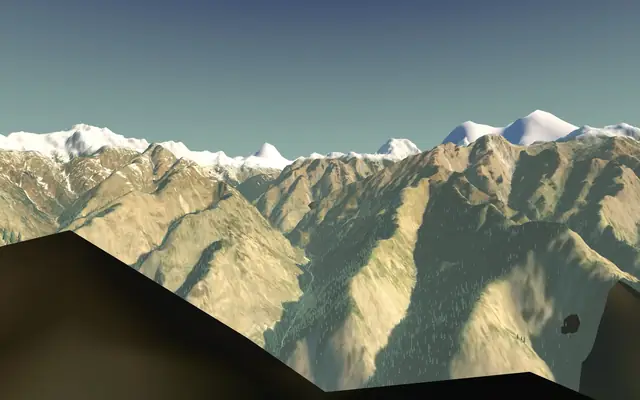
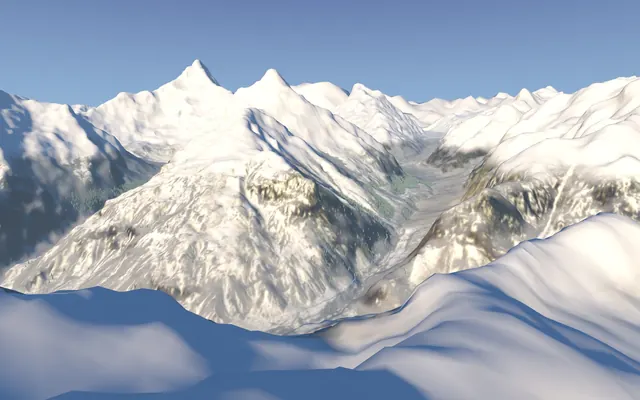
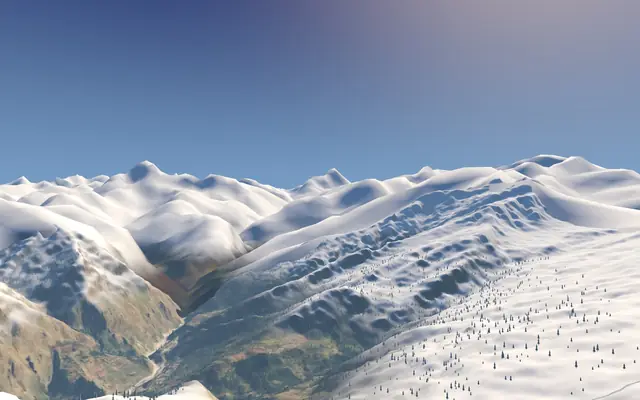
People who want flowers and big views rather than a summit, and who are fine with rain. Bikat Adventures rates it easy, with a fitness benchmark of jogging 3 km in 30 minutes. The valley is a UNESCO World Heritage Site and was made a national park in 1982. Rain gear matters more than anything else. See the Valley of Flowers 3D page and our best monsoon treks.
Valley of Flowers trek itinerary
This is Bikat's six-day plan from Dehradun; if you start from Govindghat the trek is four days.
| Day | Route | Distance and time |
|---|---|---|
| 1 | Dehradun → Govindghat or Joshimath (drive) | 12–14 h by road |
| 2 | Govindghat (or Pulna) → Ghangaria | 13 km · about 6 h, gentle gradient |
| 3 | Ghangaria → Valley of Flowers → Ghangaria | about 10 km |
| 4 | Ghangaria → Hemkund Sahib → Ghangaria | 10 km · about 4 h up; start near 5 a.m., head down before 2 p.m. |
| 5 | Ghangaria → Govindghat | 13 km, mostly downhill |
| 6 | Govindghat → Dehradun | morning departure |
Distances vary on Bikat's page (the valley is given as about 14 km and 17 km from Govindghat in different places). A 2026 guide says a shared jeep covers 4 km from Govindghat to Pulna, then it is about 9 to 10 km to Ghangaria and another 4 km to the valley.
Best time for the Valley of Flowers
- Mid-July to mid-August: peak bloom (Discover with Dheeraj's 2026 guide); Bikat says July to August, with highs near 17 °C and lows near 7 °C.
- 1 June to mid-July: the park is open, but the flowers are earlier in their cycle.
- November to April: snow; Bikat says the valley cannot be accessed then.
Month pages: July and August. The Hemkund Sahib shrine, per the same guide, closes around 10 October 2026, earlier than the park.
Permits, fees and national park rules
- Fee: ₹200 for Indian citizens and ₹800 for foreign nationals, valid three days; under-12s enter free.
- Cap: 300 visitors a day, enforced since 2017. Register at valleyofflower.uk.gov.in and carry the printout or a screenshot. A counter at Ghangaria exists but can fill in peak season.
- Hours: gate opens 7 a.m., last entry 2 p.m., everyone out by 5 p.m.
- Rules: no camping, no plucking flowers, no plastic, and stay on the marked trail.
Rates and procedures change yearly, so confirm on the official portal before you travel.
Valley of Flowers trek cost
Bikat's page lists the trek as "DIY" plus 5% GST without a fixed amount. The 2026 guide estimates about ₹4,200 for a basic trip and about ₹11,300 for a comfortable one, including transport, stay, food and permit; Ghangaria rooms run roughly ₹800 to ₹2,000 a night, and July and August fill up. Treat these as estimates and compare operator quotes. Our trek page lists operators and local costs (ponies, jeeps) with sources.
What makes it hard
- The Hemkund day: Bikat calls day 4 steep and arduous at high altitude, with unpredictable weather.
- Rain and slippery paths: it is a monsoon trek.
- Crowds and time limits: the 2 p.m. last entry and the visitor cap mean an early start.
What to pack
A rain jacket or poncho, quick-dry layers, waterproof shoes with grip, a warm cap and jacket for Hemkund, and dry bags. See the packing list. Bikat advises against wet wipes and says portable toilet tents are provided.
Safety and altitude
The guide puts the valley base at 3,658 m and Hemkund at 4,329 m, so altitude sickness is possible, especially on the Hemkund climb. The CDC's Yellow Book says never to ascend while you have symptoms and to descend if they worsen; confusion or breathlessness at rest are emergencies. If you are unsure, take the valley first and skip Hemkund. Read altitude sickness on treks and how to read altitude gain, and talk to a doctor if you have a heart, lung or other condition.
Before you go: a short checklist
- Register online for the entry permit before you leave, and keep the printout or a screenshot, because signal at Ghangaria is poor.
- Bring ID. The 2026 guide says foreigners register with a passport and show it again at the gate.
- Bring cash in small notes; card and UPI often fail at Ghangaria, according to our trek page's sources.
- Plan the valley day for a clear morning if you can, and be back before the 5 p.m. exit time.
- Decide in advance whether you will attempt Hemkund Sahib, and leave it if you feel unwell.
- Plan for rain on every day and pack to keep a dry set of clothes for the night.
Another monsoon option on the atlas is Satopanth Tal; Kuari Pass is a different Uttarakhand trek if you want a pass and snow views instead.
Sources
- Bikat Adventures: Valley of Flowers itinerary
- Discover with Dheeraj: Valley of Flowers 2026 guide
- CDC Yellow Book: High-altitude travel and altitude illness
Quick questions
When is the best time to visit the Valley of Flowers?
Mid-July to mid-August is peak bloom according to one 2026 guide; Bikat Adventures says July to August. The park is open 1 June to 31 October in 2026.
Can you camp in the Valley of Flowers?
No. Camping is not allowed inside the valley, so people stay at Ghangaria and walk in and out the same day.
Do you need a permit for the Valley of Flowers?
Yes. A guide to the 2026 season lists ₹200 for Indians and ₹800 for foreigners, valid for three days, booked online at valleyofflower.uk.gov.in. Confirm on the official portal, as rules change.
How hard is the Valley of Flowers trek?
Bikat rates it easy, but says the Hemkund Sahib day is steep and arduous at high altitude with changeable weather, and that first-timers may find it rigorous.