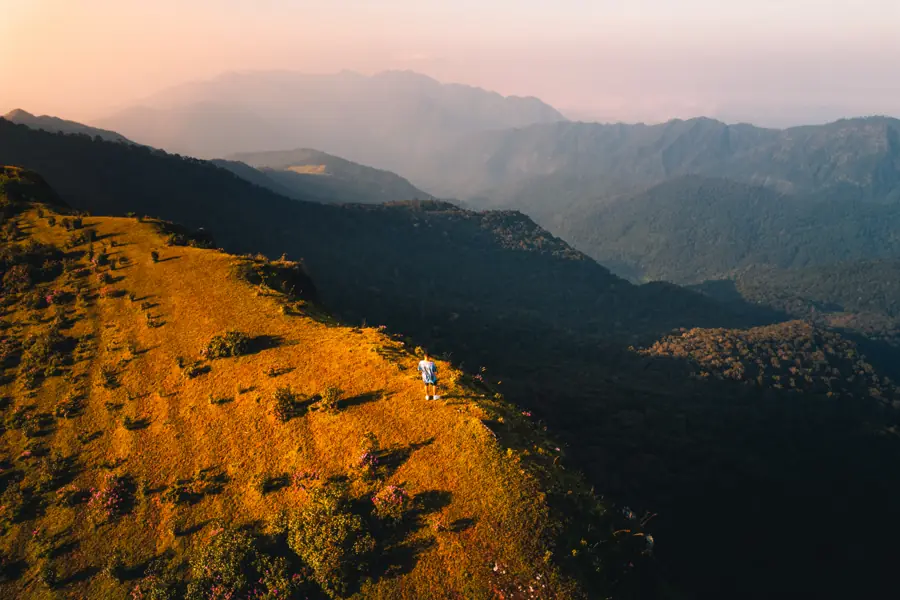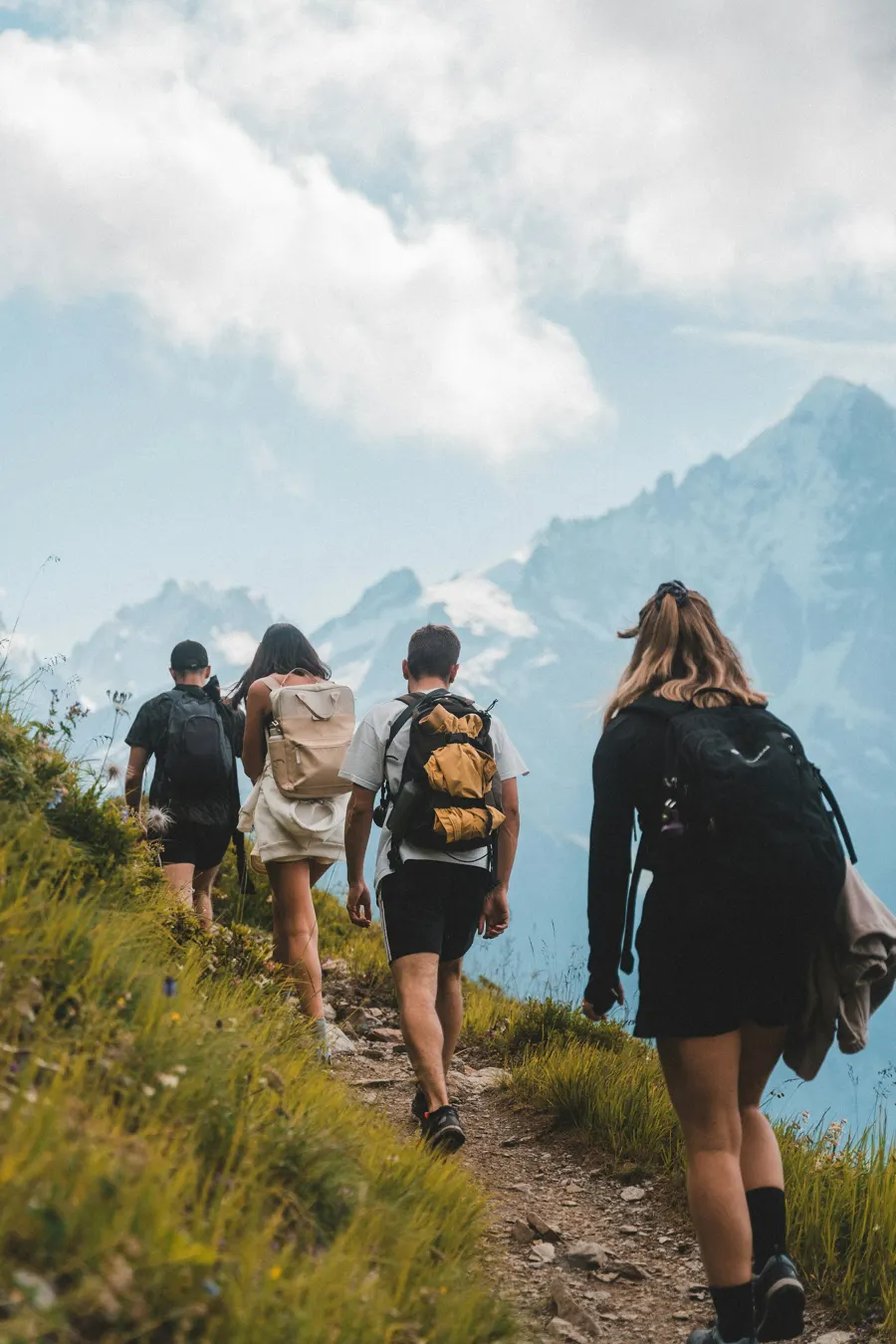
- Kedarkantha is a 5-day, graded-easy winter trek from Sankri to a 3,810 m summit; December to February has the deepest snow.
- Budget roughly ₹5,000 to ₹11,500 plus 5% GST on operators' own pages; Indian park entry is ₹200 for 3 days. Prices change, so check.
- The first night above 3,000 m (Base Camp, 3,413 m) and the 3 to 4 a.m. summit start are the parts to prepare for.
The Kedarkantha trek is a five-day walk from Sankri village in Uttarakhand to a 3,810 m summit, and it is graded easy by Bikat Adventures. The best snow is from December to February; most guided treks cost about ₹5,000 to ₹11,500 plus 5% GST in the 2026-27 season.
Who is the Kedarkantha trek for?
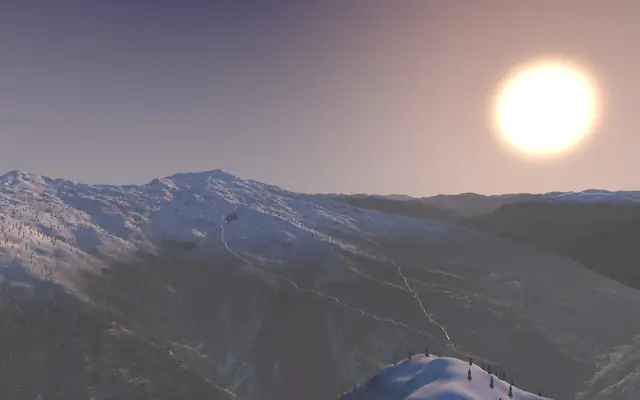
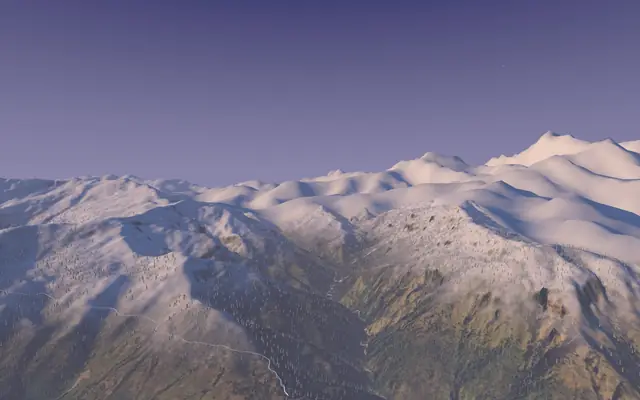
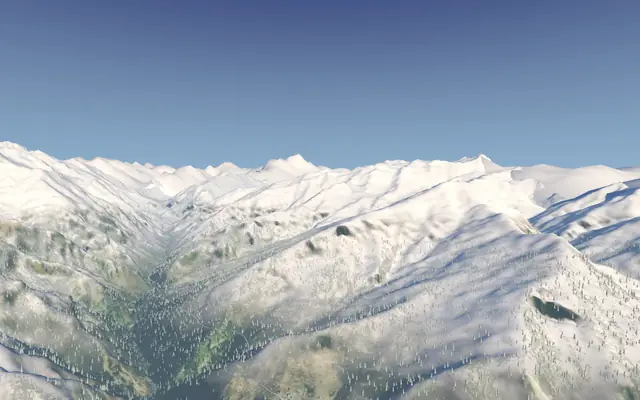
First-time Himalayan trekkers who can walk 10 km on a slight incline and are happy to sleep in a tent in the cold. Bikat's fitness benchmark is jogging 3 km in 25 to 30 minutes, and it accepts trekkers from age 9 (under 18 with a parent or guardian). Those over 60 need a doctor's certificate. Daily distances are only 3 to 6 km, but summit day is long. See the Kedarkantha 3D trek page to fly the route before you go, or compare it with Brahmatal.
Kedarkantha trek itinerary
This is the plan Bikat Adventures publishes; other operators vary a little.
| Day | Route | Distance and time | Sleep at |
|---|---|---|---|
| 1 | Dehradun → Sankri (drive) | 197 km, 7–10 h | 1,950 m |
| 2 | Sankri → Juda ka Talab | 4 km · about 5 h | 2,773 m |
| 3 | Juda ka Talab → Base Camp | 4 km · about 3 h | 3,413 m |
| 4 | Summit (3,810 m), then Hargaon | 3 km up, 6 km down · 7–8 h | 2,700 m |
| 5 | Hargaon → Sankri, drive to Dehradun | 6 km, then the drive | – |
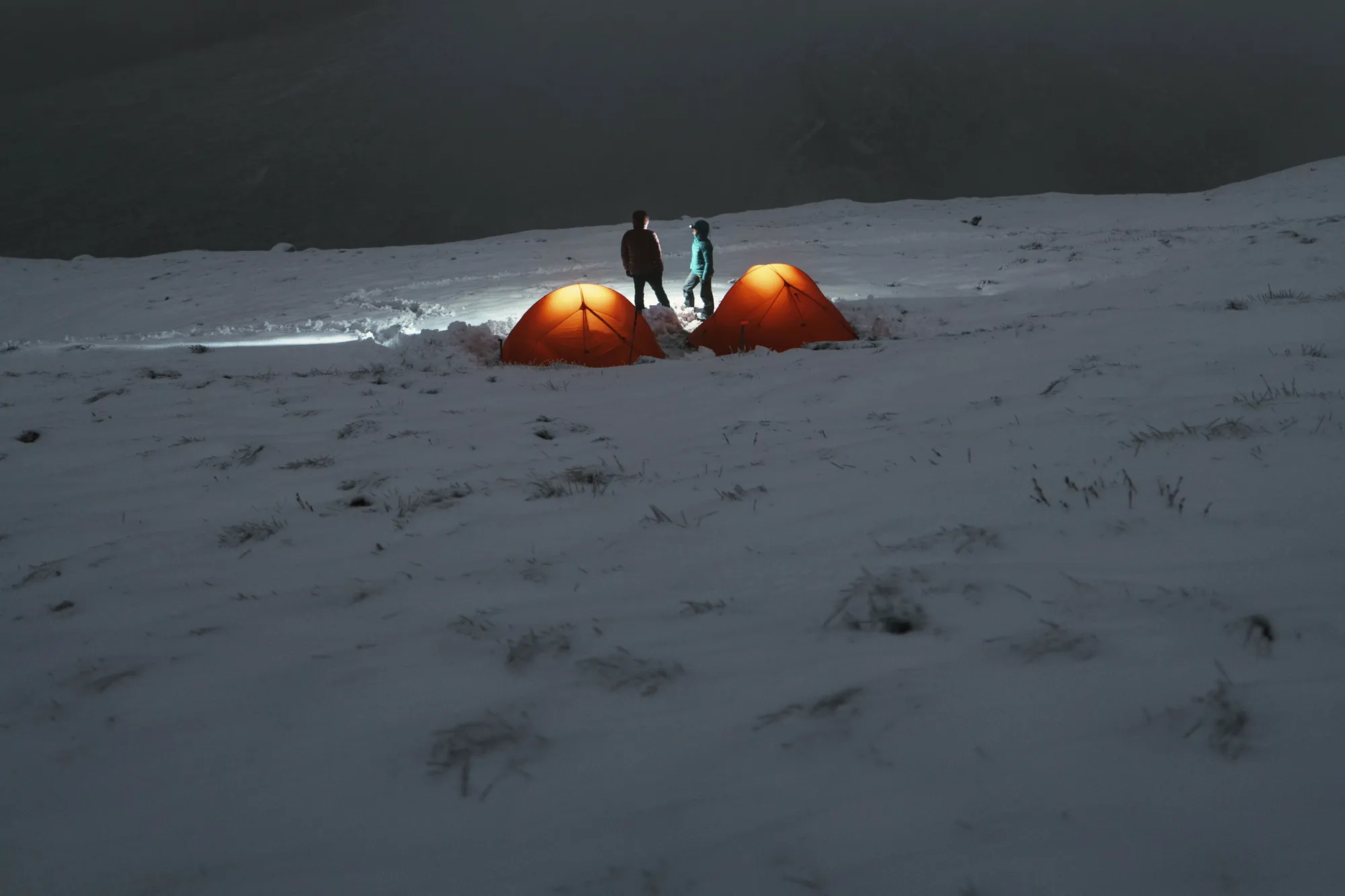
The summit push starts around 3 a.m. and the last stretch is steep, about 45 to 60 degrees by Bikat's description, with knee-deep snow possible in winter. Bikat's page itself gives Juda ka Talab as 2,773 m in one place and about 2,700 m in another, so treat altitudes as approximate.
Best time for Kedarkantha
- December to February: Bikat recommends these months for snow. Expect the coldest nights, −10 to −15 °C, and the most reliable white summit.
- November and March: less snow and milder days. Bikat says snow dries out from March.
- April: snow is gone by April, according to Bikat; the forest is greener.
Bikat's batches in 2026-27 run from 21 November to 31 March. Month-by-month picks are in our December, January and winter treks guides.
How to reach Sankri
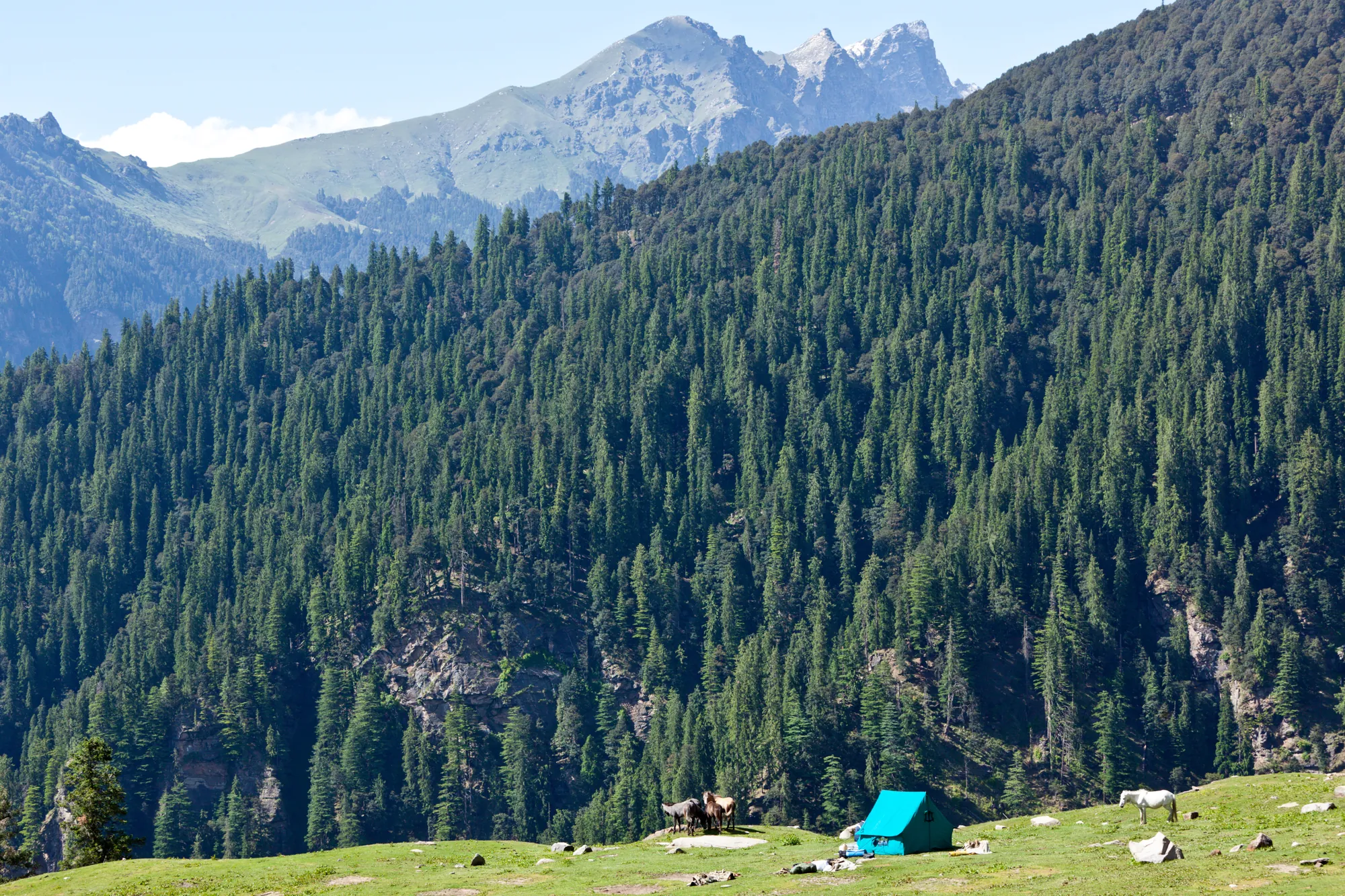
Sankri is about 180 to 200 km from Dehradun (Bikat's page gives different figures in different places). Bikat picks up outside ISBT Dehradun at 7 a.m. and splits the shared transport cost on the spot. Public buses and shared jeeps also run. The last ATMs are in Purola on the way, and after Sankri there is no mobile network (Sankri itself has only BSNL and Jio). Bring cash.
Kedarkantha trek cost
Bikat Adventures lists ₹9,500 plus 5% GST from Sankri, with Dehradun transport at ₹2,500 extra, backpack offloading ₹1,400 and a single tent ₹1,050. Across the many operators on our Kedarkantha page, base prices from their own pages range from about ₹5,000 to ₹11,500 plus GST; some include Dehradun pickup and some do not. Prices change every season, so compare what is included (food, tents, gear, transport) rather than the headline figure. Rescue is not part of Bikat's fee, and it strongly recommends insurance.
Permits and fees
Kedarkantha lies in Govind Pashu Vihar park. The park website lists entry at ₹200 for Indians for 3 days (2 nights) plus ₹50 per extra day, and ₹600 plus ₹250 for foreigners; own tents are ₹50 to ₹100 (Indians). Permits come from the forest check post at Natwad or Sankri with an ID, and a refundable deposit applies. Operators normally handle this, and Bikat includes forest permits and camping charges up to the Indian rate. You also need ID and a medical certificate. The park's rules include camping only at designated sites, vegetarian food only, and no travel in the forest at night.
What makes Kedarkantha hard
- Cold: −10 to −15 °C nights mean most trouble comes from poor layers, not the climb.
- Summit day: a 3 a.m. start, steep snow, then a long descent. It is the hardest walk of the trek.
- Altitude: day 3 takes you to sleep at 3,413 m, your first night above 3,000 m.
What to pack
Thermal base layers, fleece, a padded jacket, waterproof gloves, a head torch for the 3 a.m. start, waterproof high-ankle shoes and a power bank, since there is no charging on the trail. Many operators lend microspikes and gaiters. The full checklist is in our Himalayan trek packing list.
Safety and altitude
The US CDC's Yellow Book says that once you are above 3,000 m, sleeping altitude should rise by no more than about 500 m a night. Kedarkantha's day 3 (+640 m to 3,413 m) is slightly over that, and the summit (3,810 m) is a day trip with a lower night after it, which helps. Walk slowly, drink water, and tell your leader about a headache, nausea or dizziness early; confusion or breathlessness at rest means going down at once. Read altitude sickness on treks and how to read altitude gain, and talk to a doctor first if you have a heart, lung or other medical condition.
Before you book: a short checklist
- Ask what the fee covers: food, tents, sleeping bags, microspikes, gaiters, forest permit and transport from Dehradun.
- Ask the group size and guide ratio. Bikat caps groups at 15, though its page gives two different guide ratios, so ask for the exact figure.
- Ask whether an extra acclimatisation night is possible, and what the operator does if someone must descend.
- Get insurance. Bikat says rescue costs are not in the trek fee.
- Start training weeks ahead: the walk, stair and squat routine in get fit for a Himalayan trek is a fair starting point.
Sources
- Bikat Adventures: Kedarkantha itinerary and price
- Govind Wildlife Sanctuary and National Park: fees and rules
- CDC Yellow Book: High-altitude travel and altitude illness
Quick questions
Is Kedarkantha good for beginners?
Bikat Adventures grades it easy and says no technical climbing is needed, with short daily distances. Summit day is long and steep, and altitude is the main challenge, so build stamina first.
Can you do Kedarkantha without snow?
Yes. Bikat says snow dries out from March and is gone by April, but the trail and the summit views remain. For snow, aim for December to February.
Do you need a guide for Kedarkantha?
The Govind park rules say to hire a guide from a registered agency before entering the protected forest, so most people go with an operator who also arranges the permit.
How cold is Kedarkantha in winter?
Bikat gives about 0 to 10 °C by day and −10 to −15 °C at night, so warm layers matter more than anything else you pack.