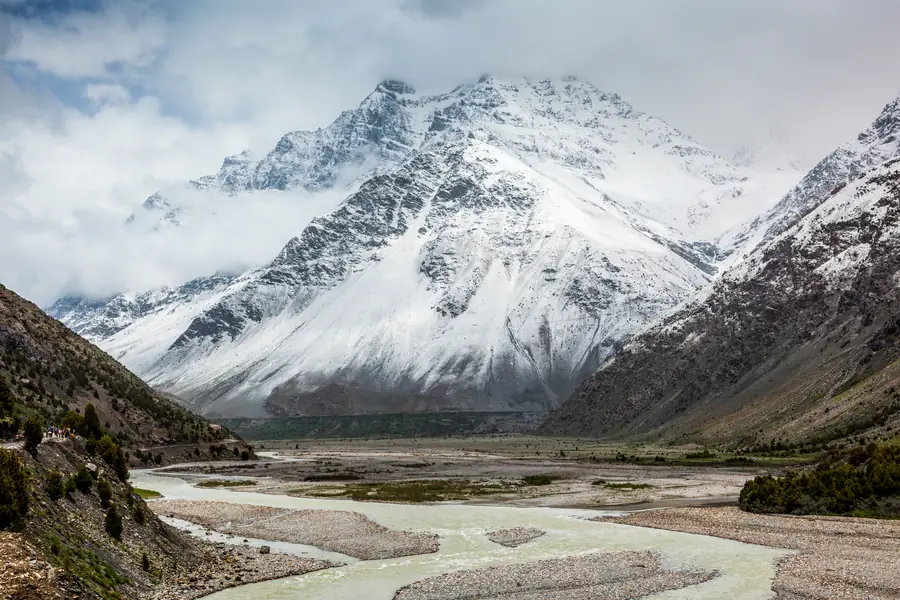
- Har Ki Dun is a 7-day valley trek from Sankri to 3,566 m, graded easy by Bikat Adventures, with no summit push.
- September to December is the best season on Bikat's page; the forest department closes the trek from after December until mid-March.
- Bikat charges ₹12,500 plus 5% GST (Dehradun transport extra); Indian park entry is ₹200 for 3 days. Prices change, so confirm.
The Har Ki Dun trek is a seven-day walk up the Tons valley from Sankri in Uttarakhand to a high valley at 3,566 m, and Bikat Adventures grades it easy. September to December is the best season on its page, and its price is ₹12,500 plus 5% GST.
Who is the Har Ki Dun trek for?
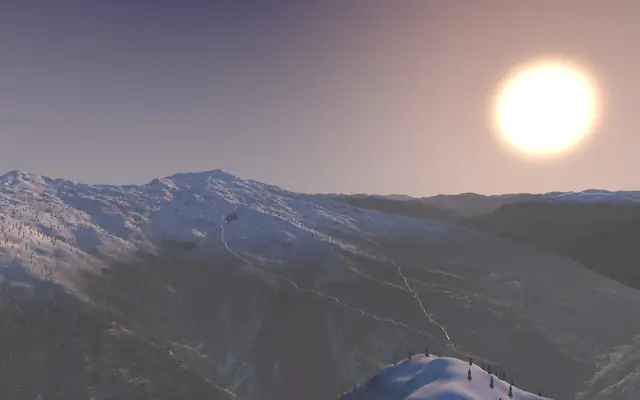
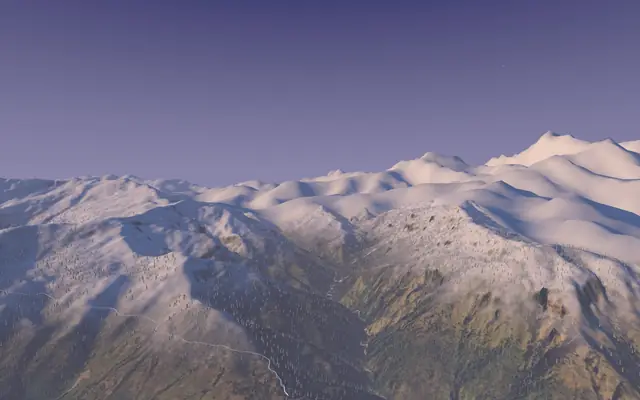
Walkers who like villages, forest and valley views more than summit pushes. There is no summit: you walk up the valley to Har Ki Dun and back. Bikat suggests being able to jog 3 km in 25 to 30 minutes and doing squats, lunges and push-ups, because daily distances are long. It is a good second trek if Kedarkantha felt short. Fly the route first on the Har Ki Dun 3D page.
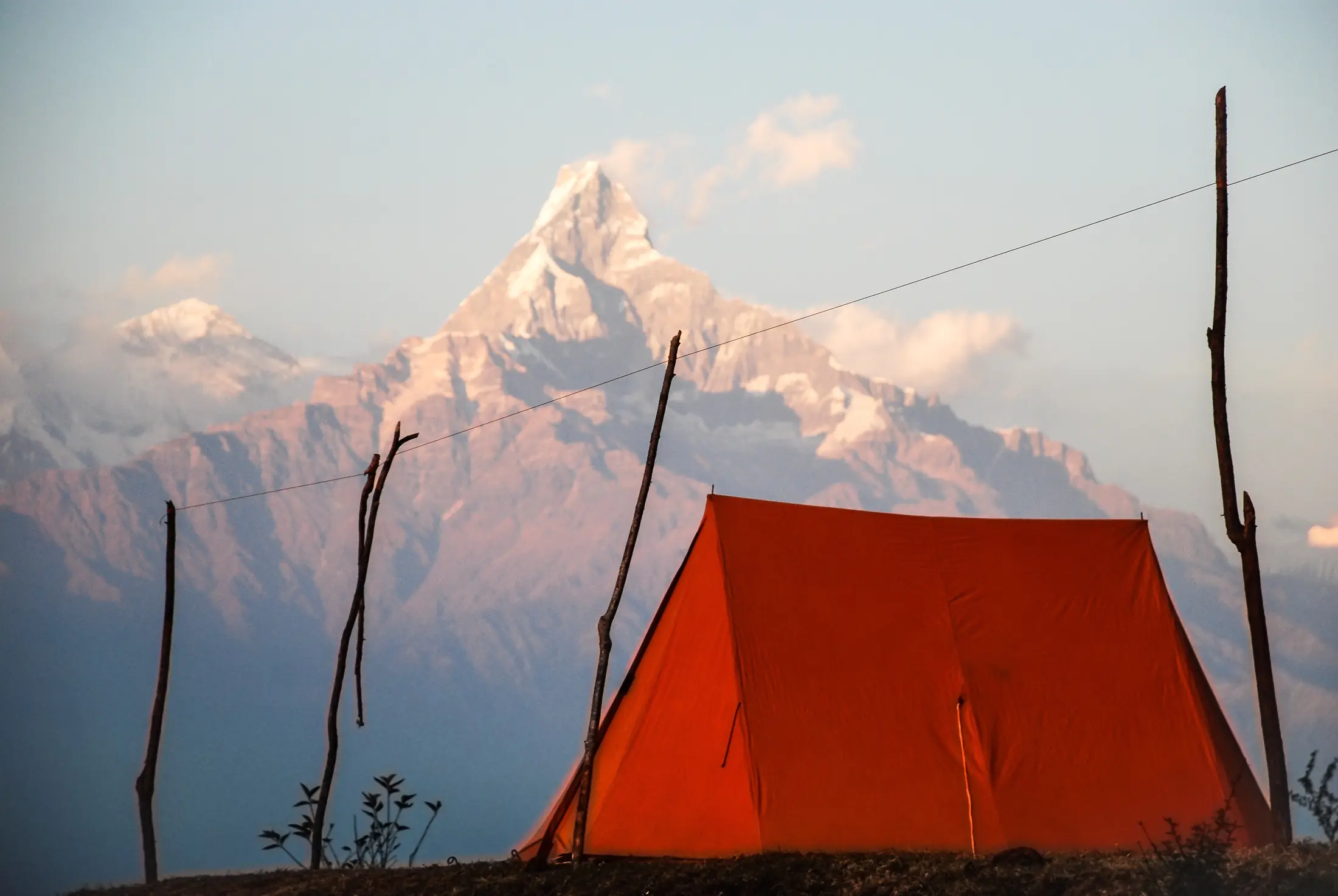
Har Ki Dun trek itinerary
| Day | Route | Distance and time | Sleep at |
|---|---|---|---|
| 1 | Dehradun → Sankri (drive) | 197 km, 9–10 h | 1,950 m |
| 2 | Sankri → Dhatmeer (drive), trek to Pauni Garaat | 18 km drive, 5–6 km trek · 4–5 h | 2,500 m |
| 3 | Pauni Garaat → Seematra | 8 km · 5–6 h | 3,250 m |
| 4 | Seematra → Har Ki Dun and back | 14 km · 7–8 h | 3,250 m |
| 5 | Seematra → Pauni Garaat | 7 km · 3–4 h | 2,500 m |
| 6 | Pauni Garaat → Dhatmeer → Sankri | 4–5 h walk, then a drive | 1,950 m |
| 7 | Sankri → Dehradun | 9–10 h | – |
Bikat's page gives the total trek distance as both 50 km and 67 km; the day figures on foot add up to about 41 km. Confirm details with your operator.
Best time for Har Ki Dun
- September to December: Bikat's recommended season, with clear skies and early snow on the peaks as winter nears.
- Winter closure: Bikat says the forest department closes the trek from after December until mid-March. Snow reaches Sankri from December to February.
- Spring and summer: after the reopening in mid-March; see April or October options on our month pages.
Cold is real: Bikat gives winter days of −5 to 5 °C and nights of −10 to −15 °C. If you want deep snow instead, Kedarkantha runs through the winter.
How to reach the Har Ki Dun base
Everyone sleeps at Sankri on day 1. The route is Dehradun to Sankri, about 197 km. Public buses and shared vehicles run from Dehradun; our trek page lists the timings and local notes with their sources. Bring cash, as there is no ATM in Sankri.
Har Ki Dun trek cost
Bikat Adventures lists ₹12,500 plus 5% GST from Sankri. Add Dehradun transport at ₹2,200, backpack offloading at ₹1,750 and a single tent at ₹1,400. On our trek page we found seven operators with a Har Ki Dun page in October 2026, most running spring and autumn only. Prices change each season, so read what the fee includes.
Permits and fees
The Govind park website lists entry at ₹200 for Indians for 3 days (2 nights) plus ₹50 per extra day, and ₹600 plus ₹250 for foreigners. Get a permit at the forest check post at Natwad or Sankri with a copy of your ID, and hire a guide from a registered agency. Bikat arranges the permits and includes the fee for Indian nationals; foreigners may be asked to pay the difference. The park rules also say: camp only at designated sites, vegetarian food only, carry out plastic, do not pluck flowers, and no travel in the protected area at night. Carry your ID and a medical certificate.
What makes Har Ki Dun hard
- Distance: day 4 is 14 km and 7 to 8 hours; days 3 and 6 are also long.
- Remoteness: no signal beyond Sankri, dry pit toilet tents and no charging.
- Sleeping altitude: day 3 climbs about 750 m to 3,250 m.
What to pack
Layers for cold nights, a rain jacket, waterproof gloves, high-ankle shoes, a head torch, your own plate, spoon and mug (Bikat does not provide them), toilet paper and cash. See the packing list.
Safety and altitude
Above 3,000 m, the CDC's Yellow Book says to raise your sleeping altitude by no more than about 500 m a night. Har Ki Dun's day 3 is a 750 m rise but only the last 250 m or so is above 3,000 m, and day 4 returns you to the same bed, which is a gentle pattern. Even so, mild symptoms (headache with nausea, dizziness or fatigue) mean resting; worsening symptoms mean descending. Read altitude sickness on treks and how to read altitude gain, and talk to a doctor if you have a medical condition.
Before you book: a short checklist
- Confirm the dates are inside the open season, since Bikat says the trek closes after December until mid-March.
- Ask what the fee covers: permits, camping charges, meals, tents and transport from Dehradun (₹2,200 extra on Bikat).
- Ask about the group size. Bikat caps batches at 15, with a trek leader to trekker ratio of 1:8.
- Buy insurance and carry your ID and medical certificate; Bikat asks for both.
- Train for long days: the walk, stair and squat routine in get fit for a Himalayan trek is a fair starting point.
If you only have four or five days, the shorter Kedarkantha uses the same base village of Sankri.
Sources
- Bikat Adventures: Har Ki Dun itinerary and price
- Govind Wildlife Sanctuary and National Park: Har Ki Dun fees and rules
- CDC Yellow Book: High-altitude travel and altitude illness
Quick questions
Is Har Ki Dun easy?
Bikat Adventures grades it easy, but days are long: 14 km on day 4 and 5 to 8 hours of walking on several days. Fitness for steady, long walking matters more than speed.
Is Har Ki Dun open in winter?
Bikat says the forest department closes the trek from after December until mid-March. Check with your operator or the forest check post before planning a winter trip.
How much does Har Ki Dun cost?
Bikat lists ₹12,500 plus 5% GST from Sankri, with Dehradun transport ₹2,200 extra. Other operators differ, so compare what is included.
Is there phone signal on Har Ki Dun?
Sankri is the last place with a stable signal; after that expect none. Tell family you will be offline.