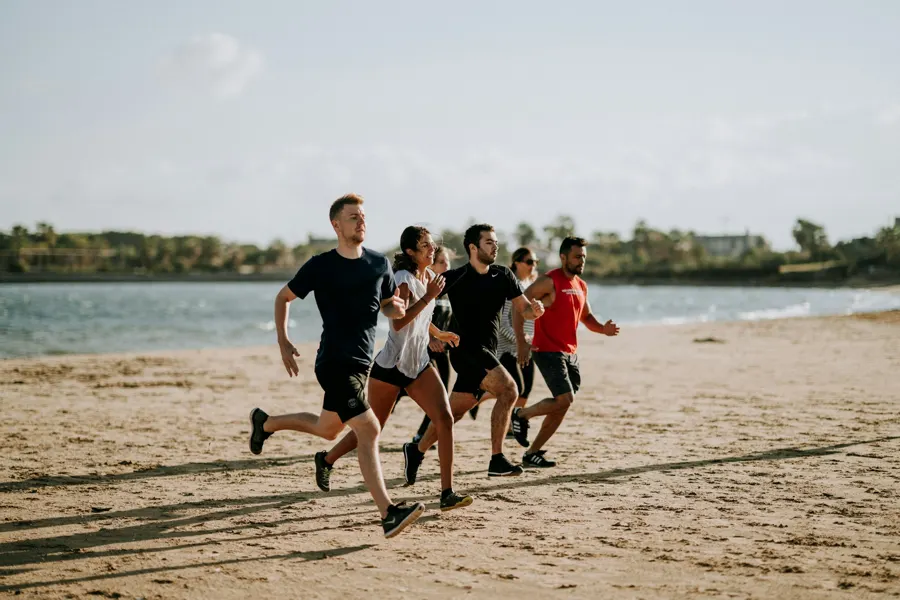
- Most community sponsorships are in kind: kit, hydration, discounts or venue support, in return for visibility the club is comfortable with.
- Clubs want trust, a say in how they are portrayed and no pressure to push products on members.
- Label every sponsored post clearly. In India, ASCI's influencer guidelines require disclosure of a material connection, such as free products or payment.
Brand sponsorship of a community run club usually means kit, hydration, event support or member discounts, given in return for visibility the club agrees to. It works best when the club's members benefit first and every sponsored mention is labelled.
How sponsorship usually works
There is no standard contract for community clubs, so arrangements vary. The common forms:
| Form | What the brand gives | What the club usually gives |
|---|---|---|
| Kit | Shirts, caps or shoes for volunteers or pacers | The club wears it at group runs and events |
| Hydration and snacks | Water, electrolytes or fruit at a long run | A mention at the aid station and in the event post |
| Event support | A route booth, a finish arch or prize items for a themed run | The brand's name on the event page |
| Member discounts | A code or a store offer for members | Sharing the offer with members who want it |
| Cash or season sponsorship | Funds for permits, first aid and marshals | A named partnership for a period |
The details, such as amounts and exclusivity, are agreed between the club and the brand case by case. We do not publish typical prices because none are reliably documented.

What clubs want
- Fit with the club's values. A friendly club for beginners may not want a brand that talks only about speed.
- Help with real costs. Safety items (first aid, marshals, water) matter more than logos.
- No pressure on members. Members join to run, not to be sold to.
- Control over how the club is shown. Photos of members need their consent.
- Continuity. A short, well-run partnership is better than a big announcement that disappears.
- Clear terms in writing. What is given, what is expected, and how to end it politely.
What brands should avoid
- Copy-paste outreach. Mention something specific about the club and its members.
- Demanding posts on a fixed schedule. It turns a community into an ad channel.
- Collecting member data without consent, or asking the club to hand over its member list.
- Overstating what a product does, especially health claims. Keep claims accurate and checkable.
- Hiding the relationship. If you gave money, product, a trip or a discount, say so.
- Overshadowing the run. Banners should not block the route or the start area.

Disclosure norms in India
The Advertising Standards Council of India (ASCI) published guidelines for influencer advertising on digital media. According to a law-firm summary of the final guidelines, which took effect on 14 June 2021:
- Disclosure is needed when there is a material connection between a brand and an influencer: payment, free products, discounts, gifts, trips, contest entries or family and employment ties.
- Labels from an approved list include "Advertisement", "Ad", "Sponsored", "Collaboration", "Partnership", "Employee" and "Free gift".
- The label must be upfront: not hidden behind "see more", a link in bio or a pile of hashtags.
- For video and audio, there are rules on how long the label stays on screen or when it is announced.
- The advertiser and the influencer share responsibility for disclosure.
A club's captain or a pacer who posts about a sponsored kit or event is covered by the same idea: if there is a connection, label it. This summary is from a law-firm article rather than ASCI's own text, so a brand or club should read the current ASCI guidelines before publishing.
The Treqz rule: partners are always labelled
Treqz is a free, neutral platform for treks and running in India. Our rule for partners is simple: they are always labelled, and no one can pay to change trek rankings or difficulty. Trek pages show their sources, and no brand can alter them.
Treqz Crew is coming soon. It is planned to let gear, shoe, nutrition and race brands fund rewards or sponsor a season challenge for crews, with partner labelling throughout. Run clubs will also appear in our run clubs section as it grows.
A short checklist before you sign
- Does the club's membership want this brand?
- Is the exchange written down, including what the brand will not do?
- Will every mention be labelled as sponsored?
- Have members agreed to be photographed and tagged?
- Is there a way to end the partnership without fuss?
If you run a club and are weighing up an offer, our guides to starting a run club and run club event ideas may help you decide what a partner could actually support.
Questions a club can ask a brand
- What do you want members to feel after meeting you?
- What will you provide, by when, and who is the contact?
- What will you ask of the club, and what is optional?
- How will you use photos and names, and who approves them?
- If a member has a bad experience with your product, what happens?
- How and when can either side end the arrangement?
A brand that answers these plainly is usually a better partner than one that talks only about reach.
Measuring a partnership honestly
Do not judge a sponsorship only by follower counts. Look at whether more people showed up to runs, whether first aid and water improved, whether members felt respected, and whether the brand came back after the first event. A small partnership that people remember is worth more than a banner that no one noticed.
This post is general information, not legal advice. Check current ASCI guidance and take legal advice for contracts.
Sources
Quick questions
How do brands usually sponsor a run club?
Commonly with kit or product, hydration and nutrition at group runs, event or race support, and member discounts. Cash is possible, but many arrangements start in kind.
Do sponsored posts need a label in India?
Yes. ASCI's influencer advertising guidelines require disclosure when there is a material connection, which includes payment, free products, discounts and trips. Both the advertiser and the influencer share responsibility.
What should a brand avoid when approaching a club?
Mass messages, demands for fixed posting schedules, and asking members for personal data. Start by asking what the club needs.
Can a partner pay to change Treqz trek rankings or difficulty?
No. Treqz's rule is that partners are always labelled and cannot pay to change trek rankings or difficulty.